

The best teams have the same things in common.
Since founding The Gnar in 2015, we've worked with hundreds of software development teams. Most are good, some struggle, and a select few are truly incredible.
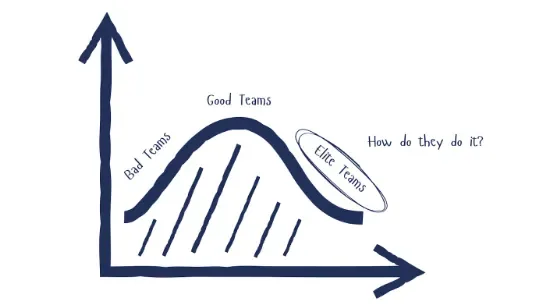
It's easy to spot the bad teams, and the good teams always have strong communication, accountability, and talent. But elite teams do three non-obvious things that sets them apart.
1. They have a clear micro-culture.
Software development is full of craftsmen and cowboys. Neither are bad, but conflict comes when they're asked to collaborate. Elite teams align around a shared culture and understanding of value. The very best know exactly what they need to do and what leadership's expectations are. They don't just move towards the same goal, they move in the same way.
2. They're ruthlessly strict with their time.
Nothing is ad hoc for the best teams. They have a process that is consistently adhered to and data-driven (like a defined sprint capacity and daily goals).
They may decline your meeting invite, but they will never miss one that's on their calendar.
3. They're not afraid to change.
Despite their dedication to the defined process, the best teams aren't afraid to collectively make a decision to change the way they're doing things. They create space and time to discuss what's going well (and what's not) through weekly or bi-weekly retros and will alter the plan to ensure mistakes don't compound. Top teams are constantly evaluating where they stand against goals and are brutally honest with themselves about progress.
Going from a good software team to a great software team isn't easy, but understanding what makes that difference is the first step.